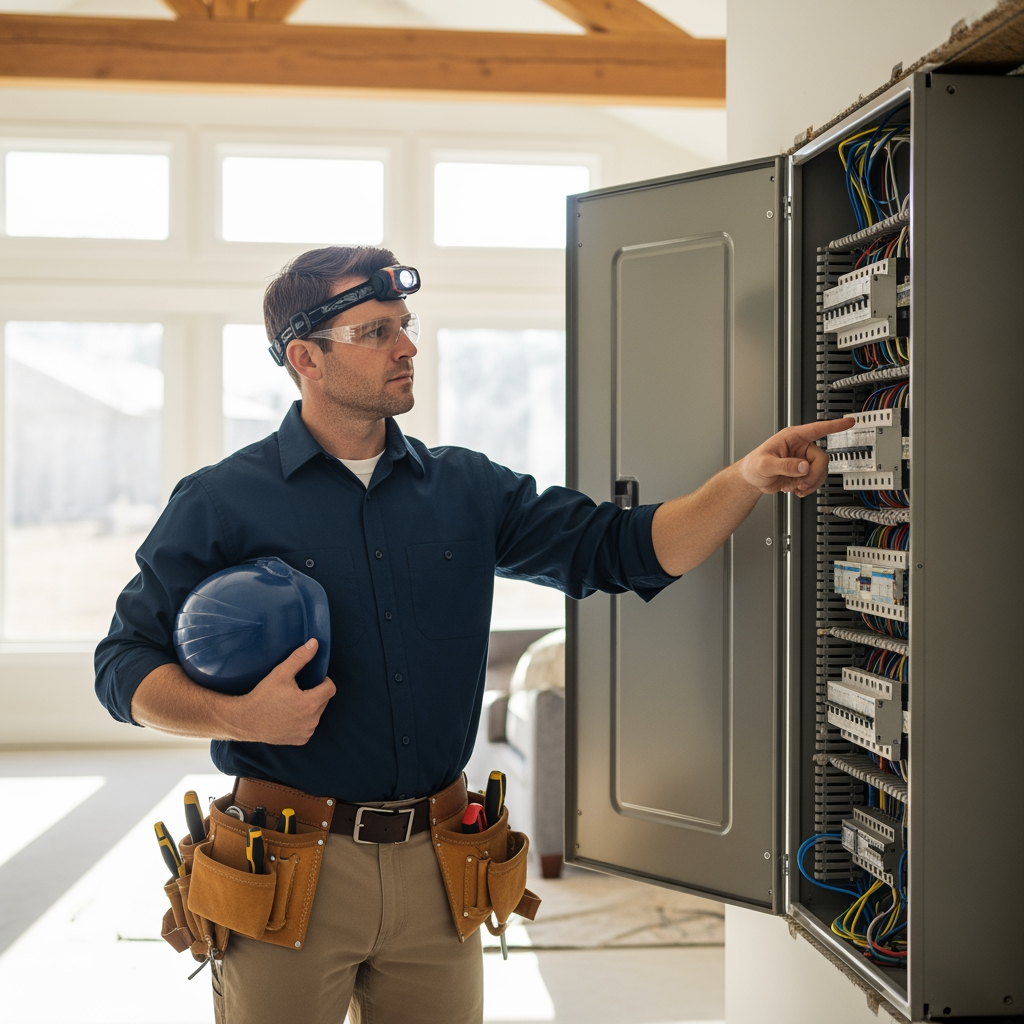
If you’re dealing with flickering lights, planning a charger for an electric vehicle, or renovating an older home, finding a reliable electrician in Colbert, GA, can feel overwhelming. I’ve spent years helping people sort through choices like this, and I always point homeowners to practical advice backed by trusted sources like the U.S. Department of Energy to understand modern electrical needs and energy-efficiency options.
Why a local electrician matters more than you might think
When something electrical goes wrong, response time matters. A local electrician knows the wiring quirks common to older homes in this area and understands local permitting, inspection, and safety expectations. I prefer hiring professionals who will show up quickly, explain the issue in plain language, and leave my home safer than they found it.
Here in Colbert, GA, older residences and farm properties often have knob-and-tube or outdated panels that won’t safely support today’s load from air conditioning, heat pumps, or multiple high-draw appliances. A nearby electrician can evaluate the whole system and recommend targeted upgrades so you get the most out of repairs and don’t have recurring problems.
Most common services you’ll need
Electricians cover a wide range of work, from small repairs to full-service panel upgrades. Below are common services homeowners and businesses ask for in this area. I list these in the order I see them most often, with a short explanation of why each matters.
Service panel inspections and upgrades
Panels are the heart of a safe electrical system. Signs you need attention include frequent breaker trips, burning smells, or breakers that don’t hold. Upgrading a service panel increases capacity and reduces fire risk while allowing you to add modern conveniences like EV chargers or dedicated appliance circuits.
Rewiring and outlet upgrades
Old wiring, ungrounded outlets, and a lack of dedicated circuits for kitchen appliances can be dangerous and inconvenient. Rewiring or adding grounded outlets helps protect electronics, prevents shocks, and supports contemporary lifestyles where every room might host multiple devices.
Lighting and fixture installation
Swapping old lighting for efficient LED fixtures improves comfort and lowers energy bills. Properly installed lighting also increases resale value and improves safety in stairways, porches, and driveways.
EV charger installation and smart home wiring
More homeowners are installing Level 2 chargers and integrating smart panels. These projects often require panel upgrades and a well-planned installation to avoid future overloads. I’ll cover trends and what to expect below.
Two key trends shaping the work electricians do
The electrical industry is evolving fast, and a few trends are particularly relevant to people in this area.
Trend 1: Home electrification and EV charging
More drivers are choosing electric vehicles, and many homeowners want dedicated chargers at home. Installing a Level 2 charger usually calls for a dedicated 240-volt circuit and sometimes a panel upgrade. A qualified electrician will evaluate load capacity and advise whether a subpanel or main panel replacement is needed to safely add charging capability without risking nuisance trips or overloads.
Trend 2: Energy efficiency and smart controls
LED lighting, smart thermostats, and whole-home energy monitoring are no longer niche. These upgrades reduce monthly energy bills and let you spot issues before they become emergencies. An electrician who understands both wiring and smart systems can wire devices in ways that make them easy to use and simple to maintain.
Emergency electrical steps to take right now
If you experience any of the following—persistent breaker trips, burning smells, visible sparks, or a hot electrical panel—take action immediately. Safety is the priority, and some steps are simple to perform while you wait for professional help.
- Turn off the main breaker if you see fire, smoke, or sustained sparking, then call emergency services if there is any sign of fire.
- Unplug devices from outlets that appear hot or show burn marks, and avoid using those circuits.
- Do not attempt to repair wiring yourself. Amateur fixes can increase risk and complicate professional repairs.
In non-urgent situations, schedule an inspection so a licensed electrician can diagnose the root cause and propose a long-term fix rather than a temporary patch.
How to choose the right electrician in the city
Choosing someone you trust is about more than price. When I assess an electrician, I look for clear communication, visible licenses and insurance, references from local customers, and transparent estimates. Below are practical criteria to compare between providers.
- Licensing and insurance: Make sure the electrician carries the proper state licenses and liability insurance to protect your property.
- Written estimates: Get a clear, itemized estimate with labor and materials listed so you can compare apples to apples.
- Local experience: Prefer electricians familiar with local codes, inspectors, and common wiring in this area.
- Customer reviews and responsiveness: Look for consistent, recent feedback that emphasizes punctuality, cleanup, and professionalism.
When you interview potential contractors, ask about their approach to safety, how they handle unexpected issues, and whether they will obtain required permits. A reputable electrician will handle permitting and inspections or clearly explain the process you are responsible for.
Pricing, permits, and what to expect during a job
Costs vary with scope. A simple outlet replacement might be completed in under an hour, while panel replacements, rewiring, or EV charger installations require more time and coordination. I recommend planning for a few things up front so there are no surprises.
Permits are typical for major electrical work. They protect you by ensuring an inspection is performed and work meets code. A licensed electrician usually secures the permit and schedules the inspection. Expect the project timeline to include diagnosis, permit approval, work, and final inspection.
If an estimate seems unusually low, question it. Low bids can mean shortcuts, unlicensed labor, or omitted permit fees. A solid estimate explains why each step is necessary, the materials to be used, and how the electrician will minimize disruption to your home or business.
Practical upgrades that add safety and value
Not all upgrades cost the same, but several deliver strong returns in safety and convenience. I recommend considering these when you schedule service so they can be bundled into a single visit when possible.
Whole-house surge protection protects sensitive electronics from spikes caused by storms or grid issues. AFCI and GFCI breakers dramatically reduce fire and shock risk in bedrooms, kitchens, and bathrooms. Replacing old two-prong outlets with grounded outlets improves safety and supports modern devices.
Local considerations and typical pain points
Colbert and surrounding towns like Danielsville and Comer have a mix of historic homes and newer construction. Older homes often surface the same pain points: insufficient circuit capacity, outdated panels, and limited grounding. Rural properties may require longer runs for new circuits or chargers, which increases labor and materials. Discuss site-specific challenges with your electrician so the estimate reflects real conditions.
During peak seasons contractors can be busier, so plan ahead for non-urgent projects. If you’re preparing for a major renovation or adding electric heating, contact an electrician early so upgrades can be scheduled to match your other trades and avoid delays.
Simple steps you can take today to reduce risk
Before the electrician arrives, you can take a few steps that save time and help the tech diagnose issues quicker. These are small actions, but they add up when working with professionals who are trying to troubleshoot efficiently.
- Make a short list of where problems occur and when they began. Knowing whether an issue is intermittent or constant helps pinpoint causes.
- Clear access to the panel and affected outlets so the electrician can work without clearing obstacles first.
- Turn off power to an outlet only if you can do so safely and you know which breaker controls it; otherwise, wait for the professional to handle it.
Why preventive maintenance saves money
Routine inspections avoid costly emergencies. A yearly check can reveal loose connections, corrosion, or degraded components before they cause failure or fire. I treat preventive maintenance like an insurance policy: a small, predictable expense that prevents large, unexpected costs later.
Previewing common replacement timelines also helps planning: smoke detectors and carbon monoxide detectors need regular battery changes and testing, while panels and major wiring typically have longer service lives but benefit from periodic review, especially after storms or renovations.
Final thoughts and next steps
Choosing the right electrical partner means balancing safety, skill, and local knowledge. If you value a quick response, clear explanations, and work that meets code, start with a licensed electrician who can assess your needs, explain options, and provide a written plan that fits your timeline and budget. Whether you need a quick repair, a panel upgrade, EV charger planning, or whole-home modernization, a local professional can guide you through each step so the job is done right.
If you’re ready to schedule an inspection or discuss a project in Colbert, GA, reach out to Thunderbolt Electric for a clear estimate and prompt service.